Maximizing Efficiency with Multimodal Transport Solutions
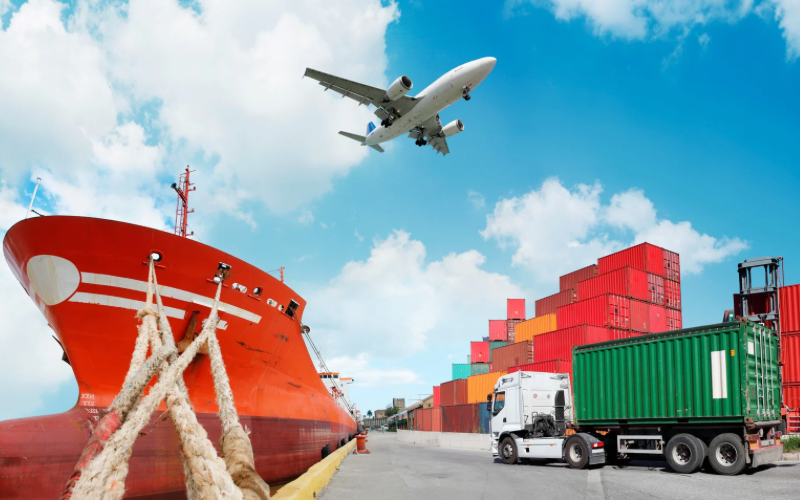
Alex Socaci2024-12-11T17:34:44+00:00In an increasingly interconnected world, businesses are looking for innovative ways to optimize their supply chains and improve delivery efficiency. Multimodal transport solutions—the strategic combination of different transportation modes like road, rail, sea, and air—are emerging as a game-changer in logistics. By leveraging the strengths of each mode, companies can achieve faster delivery times, lower costs, and a reduced environmental footprint. Here’s how multimodal transport is transforming the logistics landscape.
1. Understanding Multimodal Transport
Multimodal transport refers to the integration of multiple transportation methods under a single contract. For example, a shipment may start with road transport from a factory to a rail terminal, continue by train to a port, and then be shipped overseas by sea. By coordinating these transitions seamlessly, companies can reduce delays and optimize routes.
The key to effective multimodal transport lies in planning. Advanced logistics platforms and AI-driven tools enable businesses to create precise schedules, coordinate handoffs, and track shipments in real-time, ensuring efficiency throughout the supply chain.
2. Advantages of Multimodal Transport
Cost Efficiency: By combining cost-effective modes like rail and sea for long distances with faster options like road or air for short distances, businesses can achieve significant savings without compromising delivery speed.
Environmental Benefits: Rail and sea transport are far more eco-friendly than road or air. Incorporating these modes reduces the carbon footprint of each shipment, helping businesses meet sustainability goals.
Flexibility: Multimodal solutions allow businesses to adapt to challenges like weather disruptions, labor strikes, or regional infrastructure limitations. If one mode is unavailable, alternate routes can be quickly arranged.
Faster Delivery: Multimodal logistics often shorten delivery times by using the most efficient mode for each leg of the journey. For example, combining air transport for international shipping with electric trucks for last-mile delivery ensures both speed and sustainability.
3. Key Industries Benefiting from Multimodal Transport
Retail and E-Commerce: With the rise of online shopping, retailers rely on multimodal transport to meet tight delivery deadlines while controlling costs. Goods can be shipped internationally by sea or air and then distributed locally by road.
Manufacturing: Factories depend on timely delivery of raw materials and components. Multimodal solutions streamline this process, ensuring that production lines remain operational.
Pharmaceuticals: Temperature-sensitive goods like medicines and vaccines require precise handling. Multimodal transport enables the use of specialized containers and rapid transitions between modes to maintain integrity.
4. Challenges and Solutions
While multimodal transport offers numerous advantages, it also presents challenges:
Coordination Complexity: Managing multiple modes requires meticulous planning and coordination. Advanced logistics software helps streamline these processes by providing real-time tracking and automated scheduling.
Infrastructure Limitations: Not all regions have the infrastructure needed for seamless transitions between modes. Partnering with experienced logistics providers ensures access to well-established networks.
Regulatory Hurdles: Crossing borders involves complying with different regulations. A skilled logistics partner can navigate these requirements, ensuring smooth operations.
5. The Future of Multimodal Transport
The rise of digital transformation in logistics is enhancing the potential of multimodal transport. Blockchain technology is being used to improve transparency and security in supply chains, while IoT devices enable real-time monitoring of shipments. Additionally, advancements in electric and autonomous vehicles are further reducing environmental impact.
With growing consumer expectations for faster and more sustainable deliveries, businesses that invest in multimodal solutions are positioning themselves as leaders in the logistics industry.
Conclusion
Multimodal transport is reshaping the logistics landscape, offering a powerful combination of efficiency, flexibility, and sustainability. By leveraging the unique strengths of road, rail, sea, and air transportation, businesses can optimize their supply chains and gain a competitive edge. As technology continues to advance, the opportunities for innovation in multimodal logistics will only expand.
Ready to optimize your supply chain with multimodal solutions? Contact us today to discover how our tailored logistics services can elevate your business and meet your customers’ demands.