How Transportation Business Drive Economic Growth
Alex Socaci2024-12-11T17:12:14+00:00Transportation is the backbone of modern economies, serving as the essential link that connects producers, consumers, and industries. From moving raw materials to delivering finished products, transportation businesses play a pivotal role in facilitating trade, supporting industries, and driving economic growth. Let’s explore the many ways this vital sector contributes to the economy.
1. Facilitating Trade and Commerce
Transportation businesses enable the movement of goods across cities, regions, and even international borders. Efficient logistics and transportation systems reduce delivery times and costs, making it easier for businesses to trade locally and globally. This connectivity fosters competition, encourages innovation, and opens up new markets for businesses of all sizes.
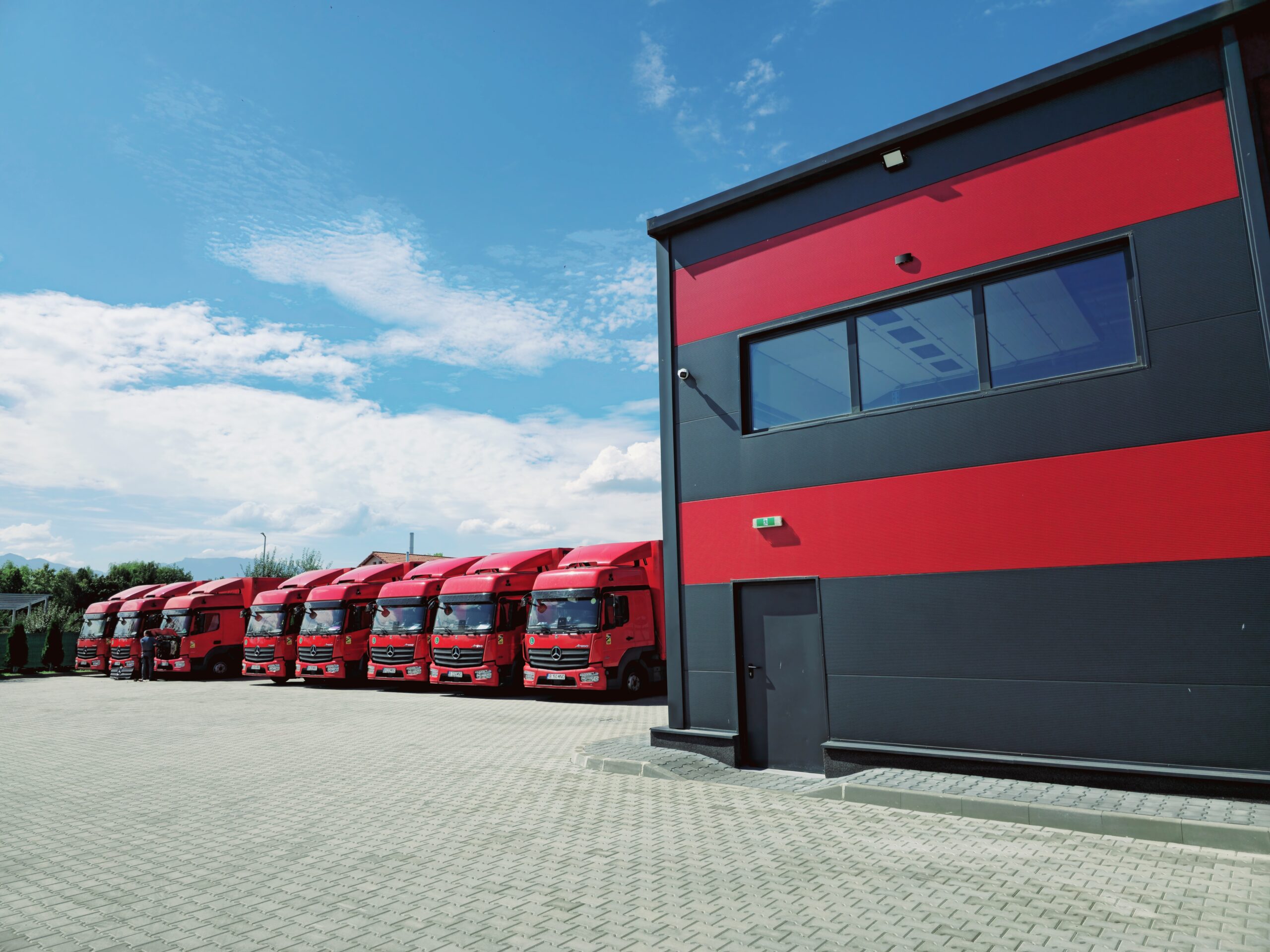
For instance, road transport companies with specialized fleets, such as 7.5-ton trucks, handle the bulk of regional goods movement, ensuring that products like fresh produce, construction materials, and industrial equipment are available where they’re needed most. By reducing delivery bottlenecks, these companies help businesses maintain consistent inventory levels and meet consumer demands.
2. Supporting Supply Chains
Every industry—from manufacturing to retail—relies on well-functioning supply chains to operate smoothly. Transportation businesses form the backbone of these supply chains, ensuring the timely delivery of raw materials to factories and finished goods to consumers. This reliability directly impacts production schedules and helps businesses meet consumer demand without delays.
In industries like automotive or electronics, where just-in-time manufacturing is critical, transportation ensures that production lines continue running efficiently, avoiding costly downtime. For example, trucking services that specialize in moving precision components or heavy machinery enable factories to maintain operational continuity.
3. Creating Jobs
The transportation sector is a major employer, offering jobs to millions worldwide. From drivers and logistics coordinators to warehouse staff and maintenance technicians, the industry provides a wide range of employment opportunities. These jobs not only support families but also contribute to local economies by increasing consumer spending and tax revenue.
Additionally, specialized roles such as freight analysts and technology developers in logistics companies highlight how the industry drives innovation and creates opportunities for skilled professionals.
4. Boosting Infrastructure Development
As transportation businesses grow, they drive the demand for better infrastructure. Investments in roads, railways, ports, and airports not only enhance transportation efficiency but also create opportunities for economic development in surrounding areas. Improved infrastructure attracts businesses, supports tourism, and fosters regional development.
For example, the development of logistics hubs around major highways and rail junctions creates employment opportunities while boosting local businesses such as retail and hospitality.
5. Enhancing Global Connectivity
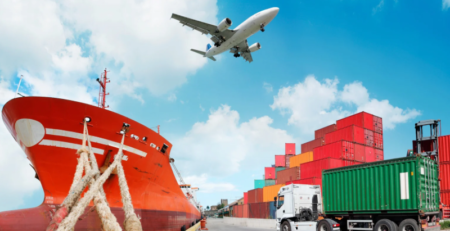
International transportation—through air, sea, and rail—is essential for globalization. Transportation businesses enable countries to export goods, import resources, and participate in global supply chains. This interconnectedness boosts trade relations and economic growth, allowing nations to access markets and resources they wouldn’t have otherwise.
For instance, air cargo services specializing in high-value or perishable goods ensure that items like medical supplies or fresh seafood reach international markets swiftly. Similarly, rail freight solutions facilitate bulk goods transportation across continents, strengthening trade ties.
6. Driving Innovation and Sustainability
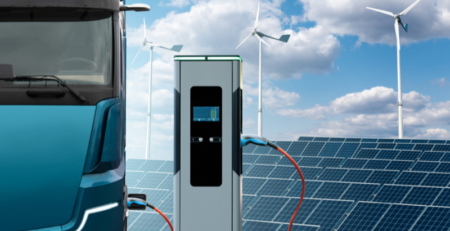
The transportation sector is constantly evolving to meet the demands of a modern economy. Innovations such as electric trucks, smart logistics platforms, and fuel-efficient technologies are reducing costs and environmental impacts. These advancements not only make transportation businesses more sustainable but also encourage other industries to adopt greener practices, contributing to a healthier economy and planet.
For example, companies investing in electric or hybrid fleets significantly reduce carbon emissions, aligning with global sustainability goals while lowering long-term operational costs.
Conclusion
Transportation businesses are more than just carriers of goods; they are engines of economic growth. By enabling trade, supporting supply chains, creating jobs, and driving infrastructure development, they form the foundation of thriving economies. As the world becomes more interconnected, the role of transportation will only grow in importance, shaping the future of global commerce and development.
Are you looking for reliable transportation solutions to drive your business growth? Partner with MANO EUROPA, a transportation company that understands your needs and contributes to the economy at every step. Contact us today for customized logistics services designed to keep your business moving forward.